
The desire for a perfect smile is something that many of my patients share. They might be bothered by chips, stains, or gaps between their teeth — but cosmetic dentistry is a great option to fix such issues. For many people, dental bonding is the perfect solution. However, some patients might worry that this treatment could ruin their teeth.
Is there any real basis for concern? This article explains what you should know about this simple transformative treatment.
What Is Dental Bonding?
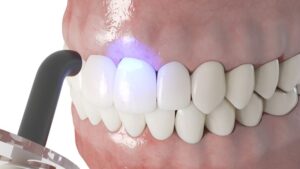
As a short refresher, dental bonding is a technique that uses composite resin to cover discoloration and minor dental damage. It gets color-matched to your grin and then sculpted to blend in seamlessly with your natural smile contours. Once the shape is right, your dentist uses a curing light to harden it into place. It often takes an hour or less per tooth, making it a quick and easy option if you want just small enhancements.
Will Dental Bonding Ruin Your Smile?
Dental bonding isn’t permanent; after a few years, it can chip or fade. A few patients might think it’s the tooth itself that shows signs of damage, but oftentimes, it’s just the bonding material. It’s easy to think it looks worse than before the treatment since you’ve been flaunting an aesthetically pleasing smile for so long. Thankfully, your natural teeth should be in the same condition as they were prior to the bonding treatment. Replacing or repairing the bonding could easily restore your confidence in a single appointment!
How Can Dental Bonding Benefit Me?
Since dental bonding is non-damaging to the teeth, you might naturally wonder what other benefits it offers. It presents a great solution for chips, stains, and minor gaps on just a single tooth or two. You can often get your new look in just one visit. While the results are not dramatic, they can still be noticeable enough to make a significant difference in your appearance and your confidence.
Another option people often consider is veneers, but this treatment is irreversible because it requires the removal of some enamel. Dental bonding doesn’t involve this! It is more conservative because it requires etching with a mild acidic solution instead. This creates tiny pores and channels on the surface that allow the composite resin to seep in and form a strong bond with the underlying enamel. That way, your results have the potential to last for several years.
Although you might’ve thought dental bonding would endanger your smile, it does the opposite! Indeed, cosmetic treatments aim to enhance the teeth without causing harm.
Meet the Practice
Drs. Ryan and Rose Johnson lead the team at Jacksonville Dental Excellence. Both are highly skilled and detail-oriented dentists who prioritize their patients’ health. If you are interested in cosmetic services, we would be happy to welcome you in for a consultation! Contact our office at 904-895-4536.